- Apogee
- The point in an orbit farthest from the body being orbited.
- Astronomical unit (AU)
- The average distance from Earth to the Sun, about 149.6 million km.
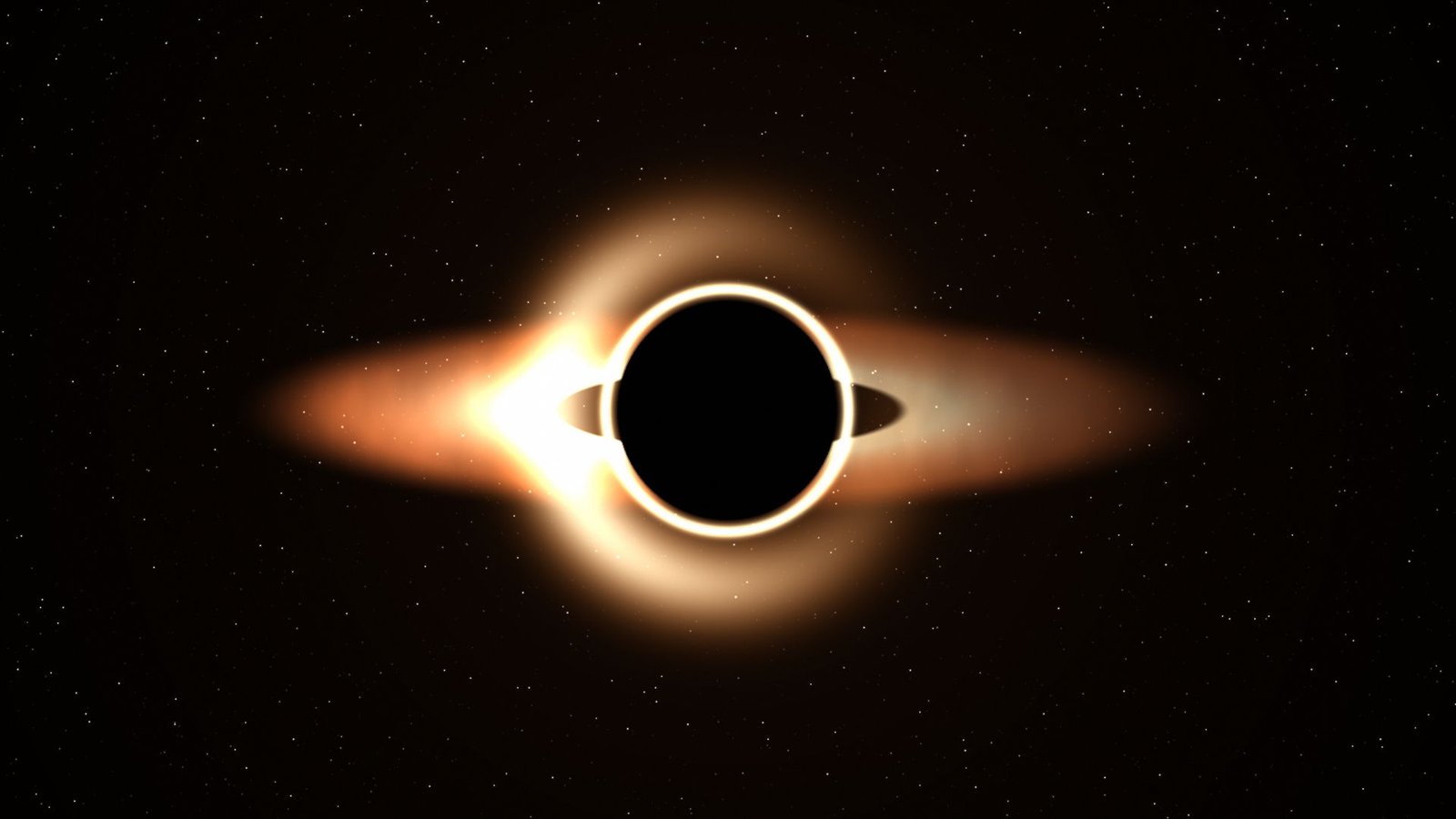
- Black hole
-
A region where gravity is so strong that nothing, not even light, can escape once inside the
event horizon.
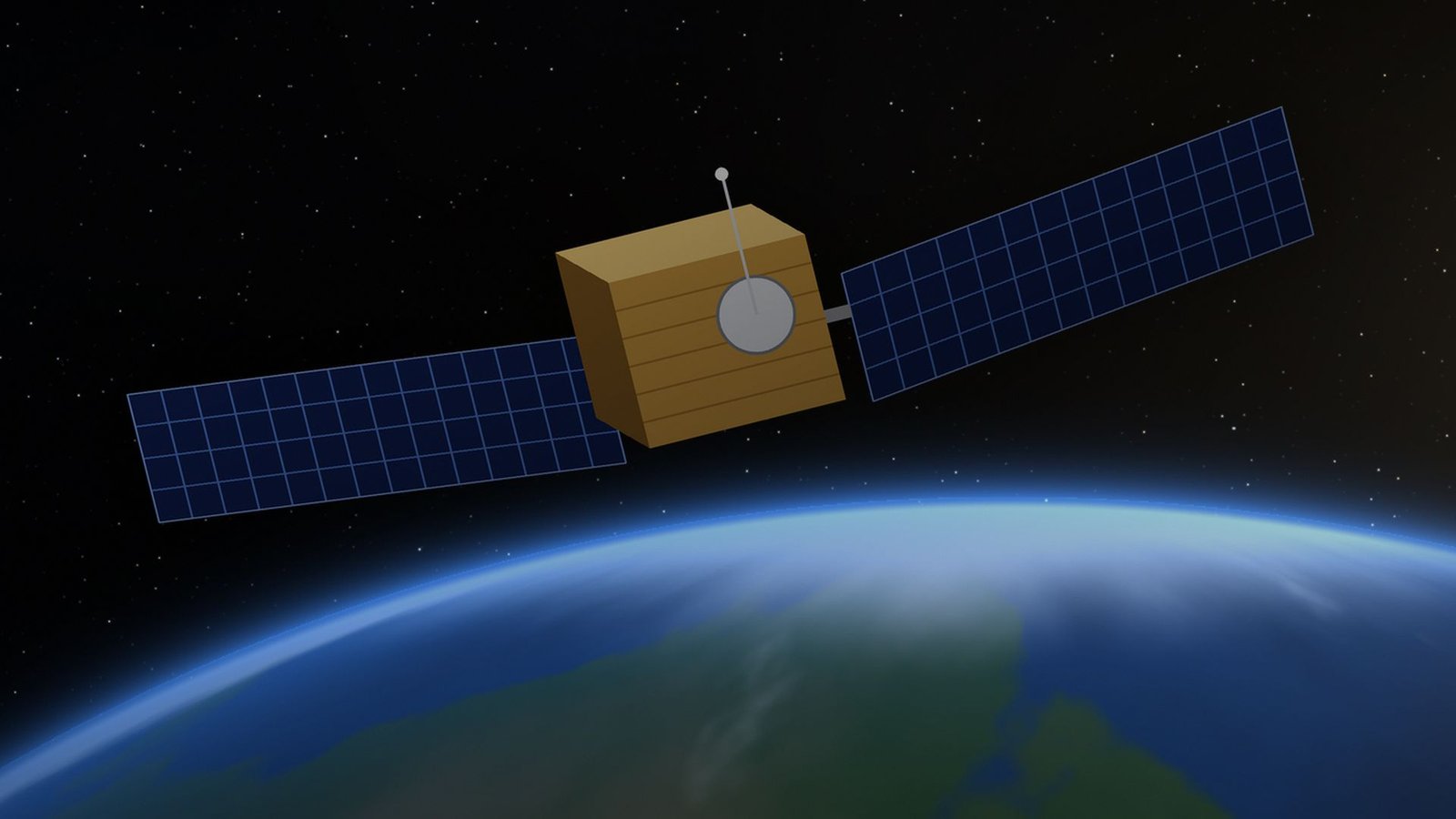
- CubeSat
-
A small standardised satellite built from 10 cm cubic units, widely used for education and
low-cost missions.
- Delta-v
-
The total change in velocity a spacecraft can achieve; the basic currency of mission
planning.
- Escape velocity
-
The speed needed to leave a body’s gravity without further propulsion. About 11.2 km/s for
Earth.
- Exoplanet
- A planet orbiting a star other than the Sun.
- Geostationary orbit
-
A circular orbit about 35,786 km above the equator where a satellite stays above one point
on Earth.
- Habitable zone
-
The range of distances from a star where liquid water could exist on a planet’s surface.
- Hohmann transfer
- An efficient two-burn orbit change between two circular orbits.
- In-situ resource utilisation
-
Using materials found on the Moon, Mars or asteroids to make propellant, water or building
materials.
- Kessler syndrome
-
A chain reaction of collisions in orbit that creates more debris and makes some orbits
unusable.
- Light-year
- The distance light travels in one year, about 9.46 trillion km.
- Low Earth orbit (LEO)
-
Orbits below about 2,000 km altitude, used by the International Space Station and many
Earth-observation satellites.
- Microgravity
-
The condition of near-weightlessness experienced in orbit, where objects are in continuous
free fall.
- Perigee
- The point in an orbit closest to the body being orbited.
- Redshift
-
The stretching of light to longer wavelengths, used to measure how fast distant galaxies
recede.
- Regolith
-
The layer of loose dust and broken rock covering the surface of the Moon, Mars and
asteroids.
- Spectroscopy
-
Splitting light into its wavelengths to learn the composition, temperature and motion of its
source.
- Transit method
-
Detecting a planet by measuring the small dip in a star’s brightness as the planet passes in
front of it.
- Telemetry
- Data sent from a spacecraft to the ground describing its health and measurements.
- Terminator
- The line between the day and night sides of a planet or moon.
- Van Allen belts
- Zones of energetic charged particles trapped by Earth’s magnetic field.
- Zenith
- The point in the sky directly overhead.
No match. Try a shorter word.