Future Worlds Challenge
Design a settlement or mission and defend it to a panel.
Innovation & Research
Thirteen programmes across resources, satellites, robotics, medicine, energy and habitation, open to students and partners.
Innovation & Research
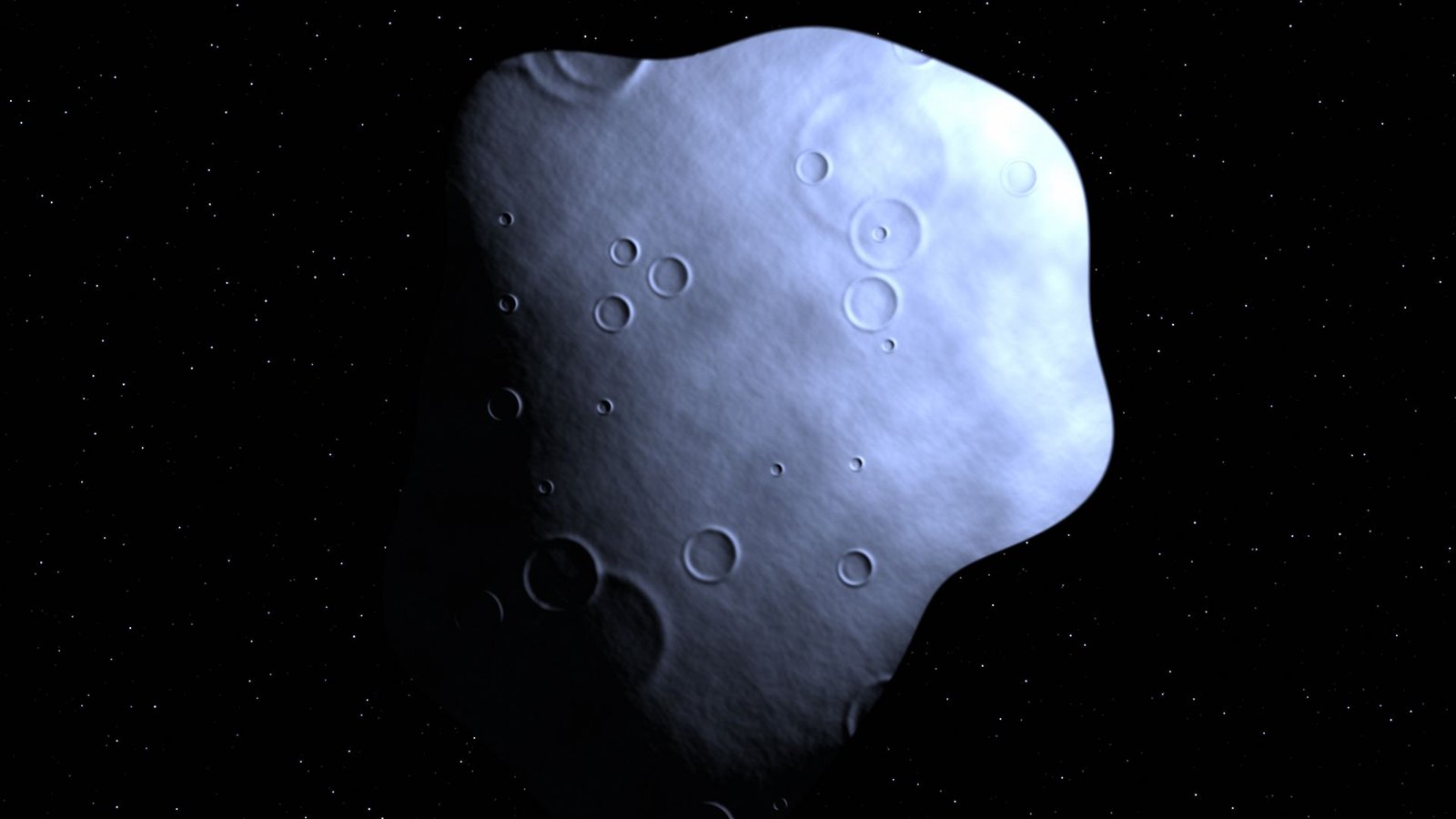
A research desk that maps and characterises resources on the Moon, asteroids and Mars using open mission data. It publishes resource atlases and tracks missions that prospect for water and metals.
Innovation & Research
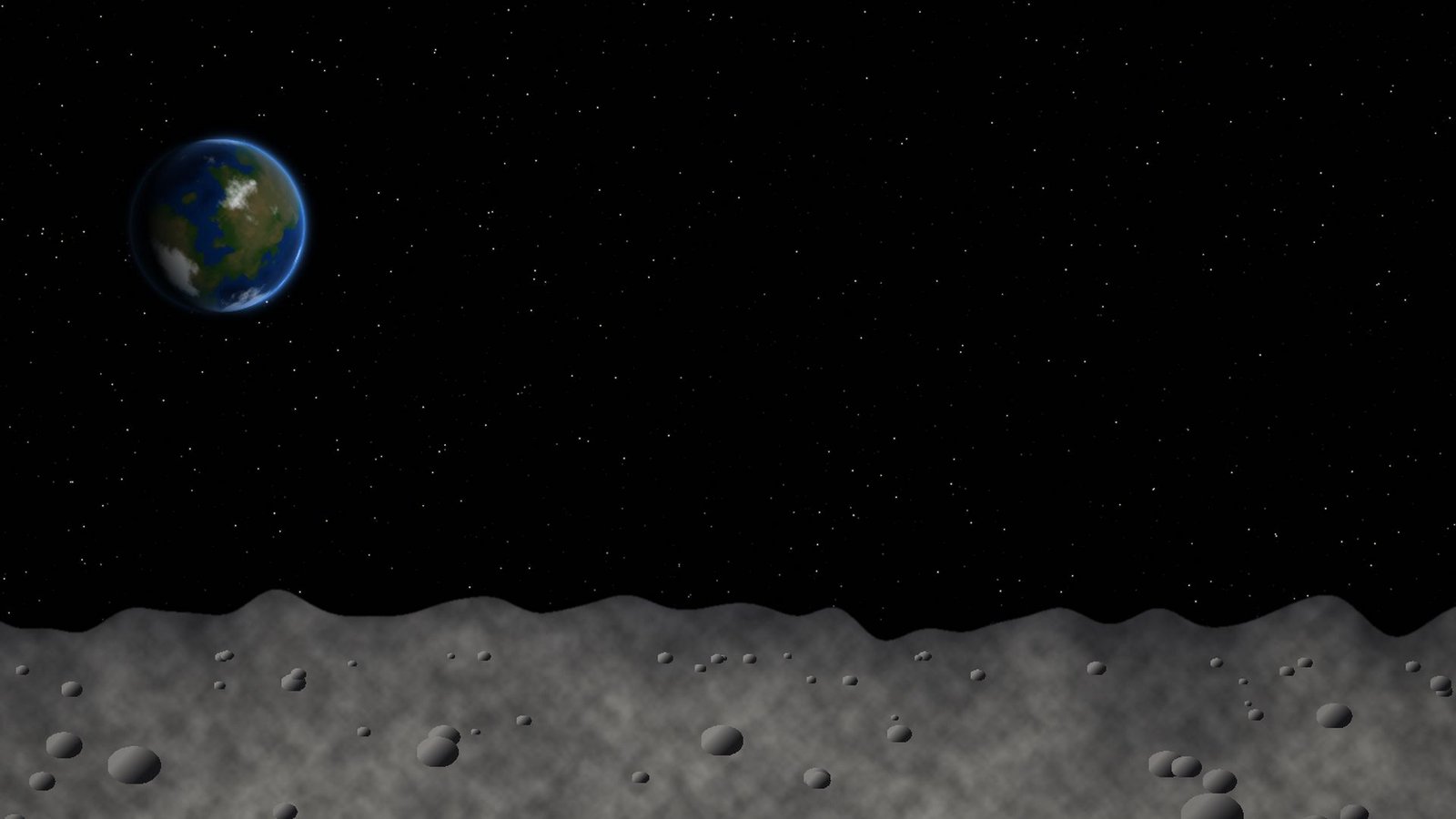
Studies the engineering and economics of extracting water, metals and regolith. Samples returned from asteroid Bennu in 2023 showed how rich in carbon and water such bodies can be.
Innovation & Research
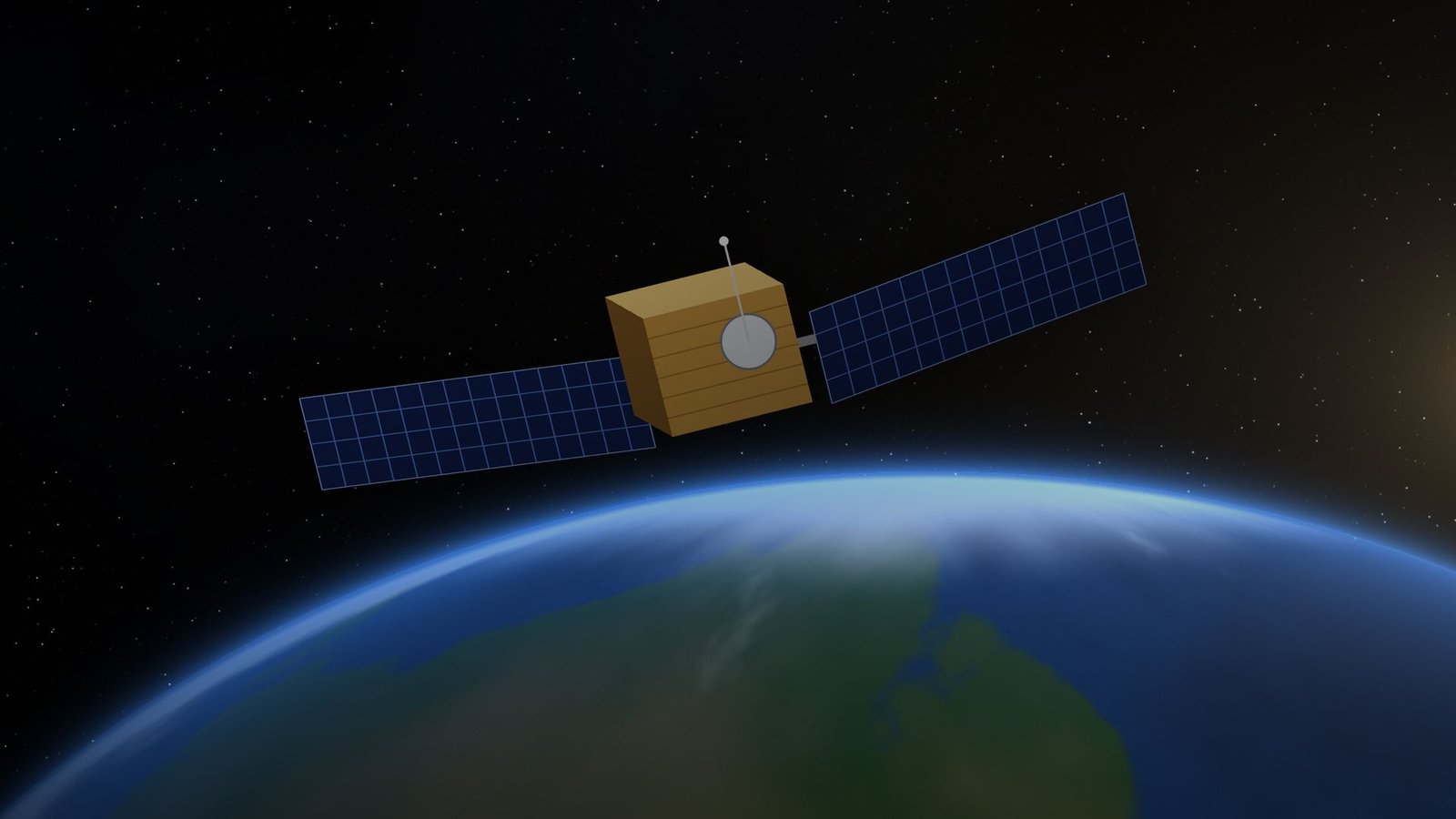
Student and partner teams design, build and test small satellites. A CubeSat is made of 10 cm units, which keeps cost low enough for universities and schools to fly real hardware.
Innovation & Research
Turns open satellite imagery into practical information about water, forests, crops and cities. Outputs are shared with local governments, farmers and schools.
Innovation & Research
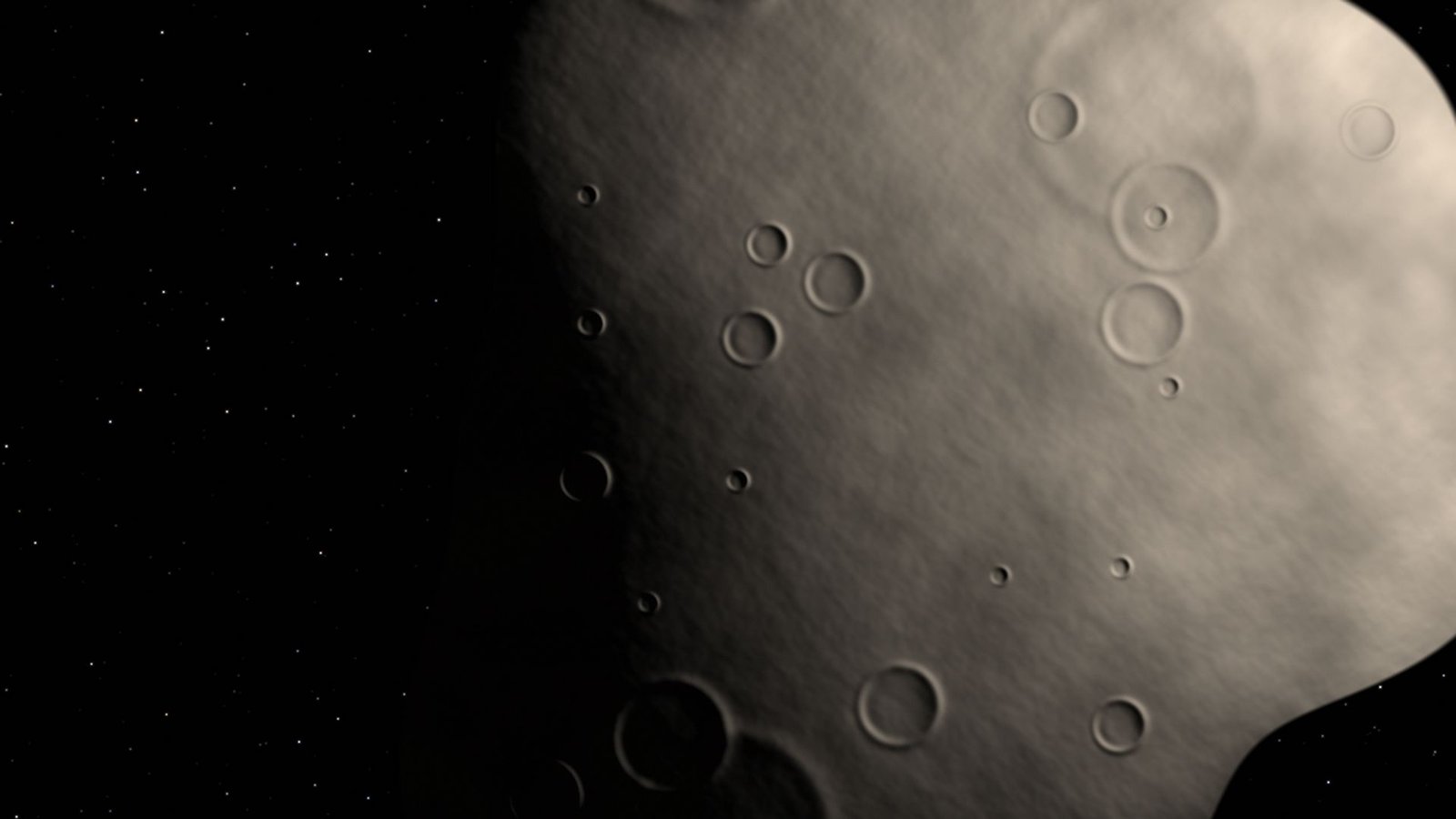
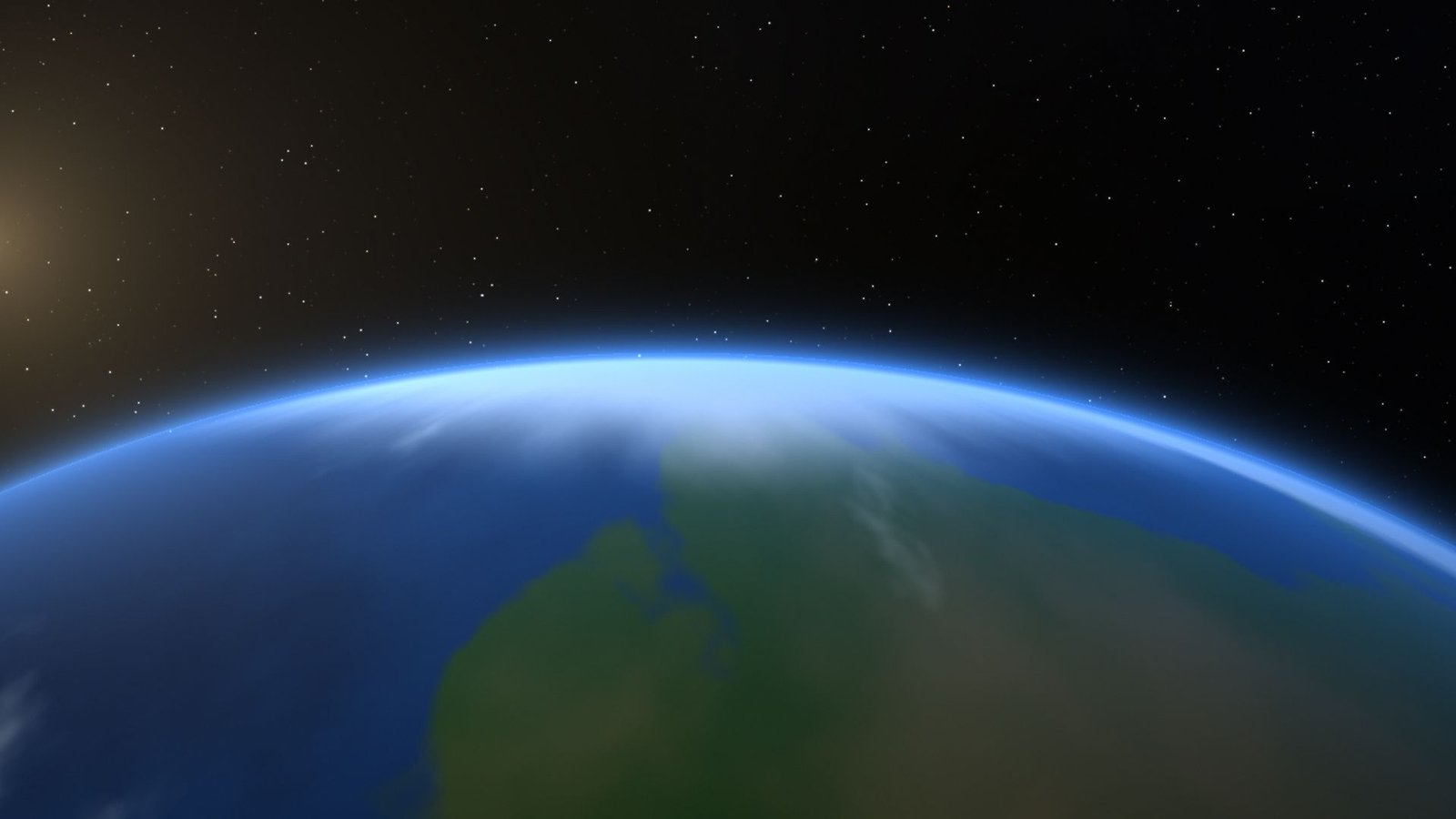
Near-Earth objects are tracked and characterised so that any hazard can be seen decades ahead. In 2022 NASA’s DART mission showed that a spacecraft impact can change an asteroid’s orbit.
Innovation & Research
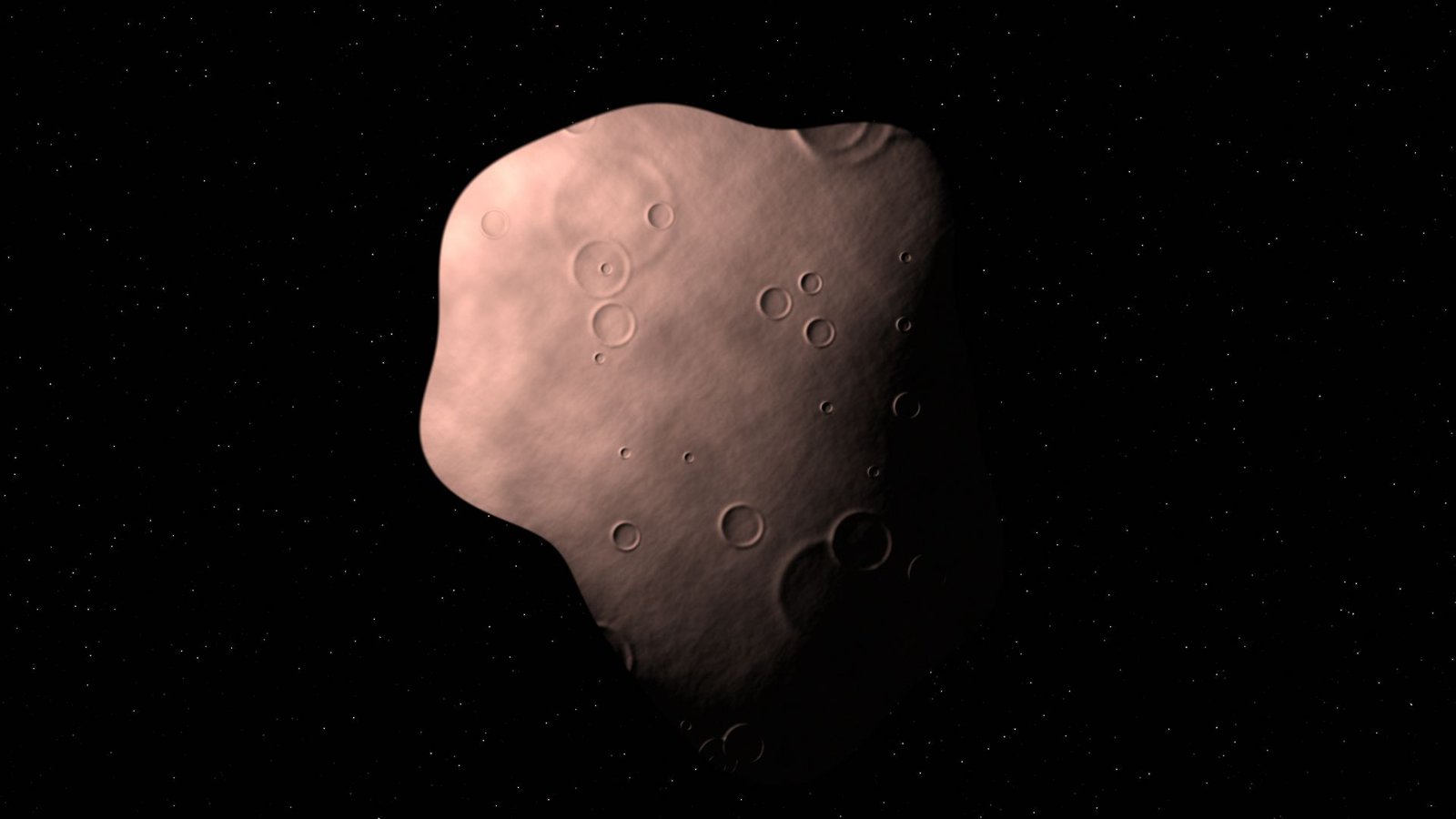
Rovers, landers and robot arms that must act without a human in the loop. We test perception and planning in simulated terrain and on a Mars-yard testbed.
Innovation & Research
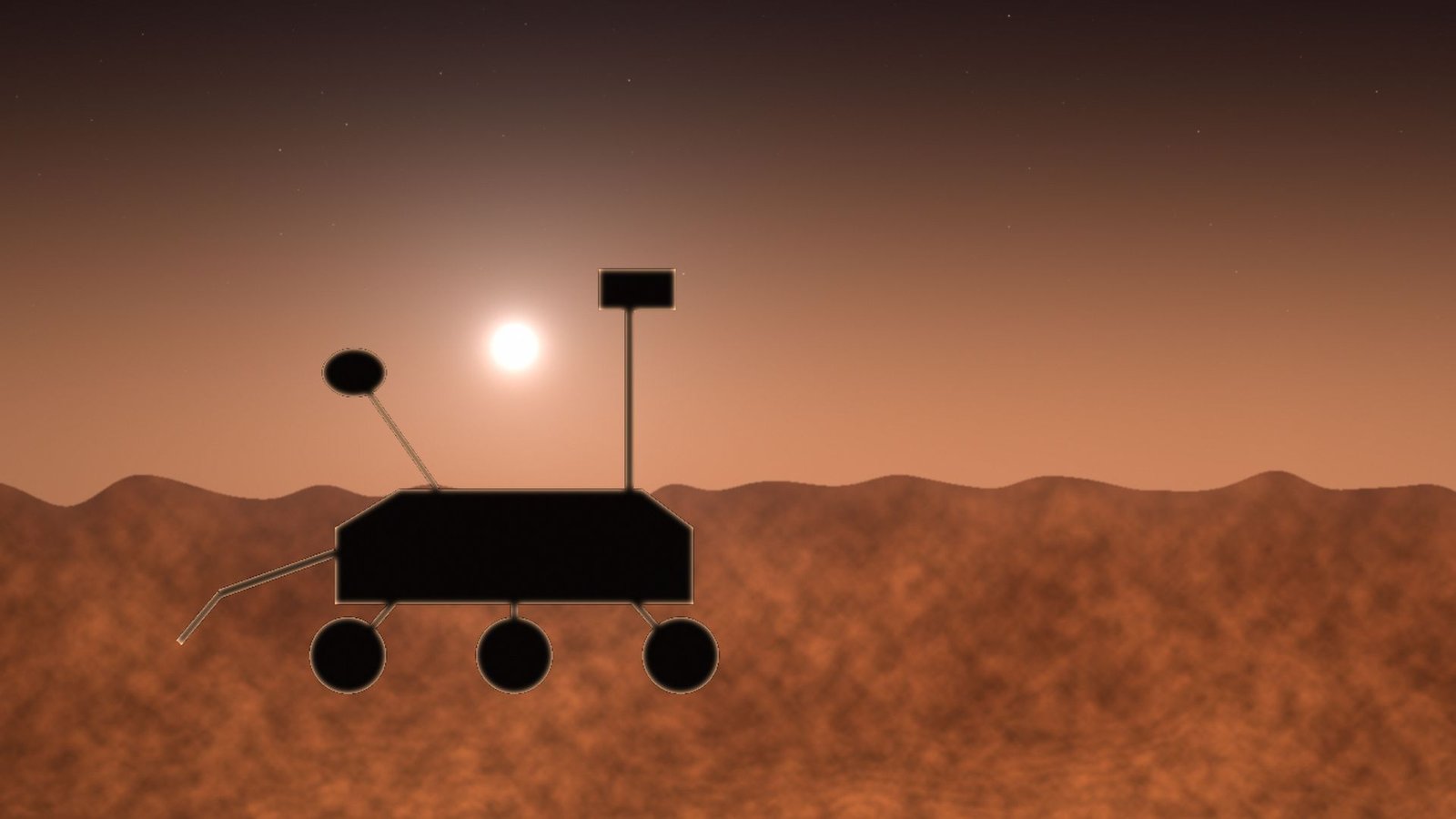
Studies how spaceflight changes the human body and how to protect crews. Microgravity affects bones, muscles, vision and the immune system, and radiation exposure limits mission length.
Innovation & Research
Microgravity allows materials that cannot be made on Earth, such as ultra-pure optical fibres and some crystals and alloys. Research here also covers 3D printing of spares and structures in orbit.
Innovation & Research
Better propulsion and power systems shorten journeys and enlarge payloads. Programmes cover electric propulsion, solar sails, nuclear thermal concepts and beamed and orbital solar power.
Innovation & Research
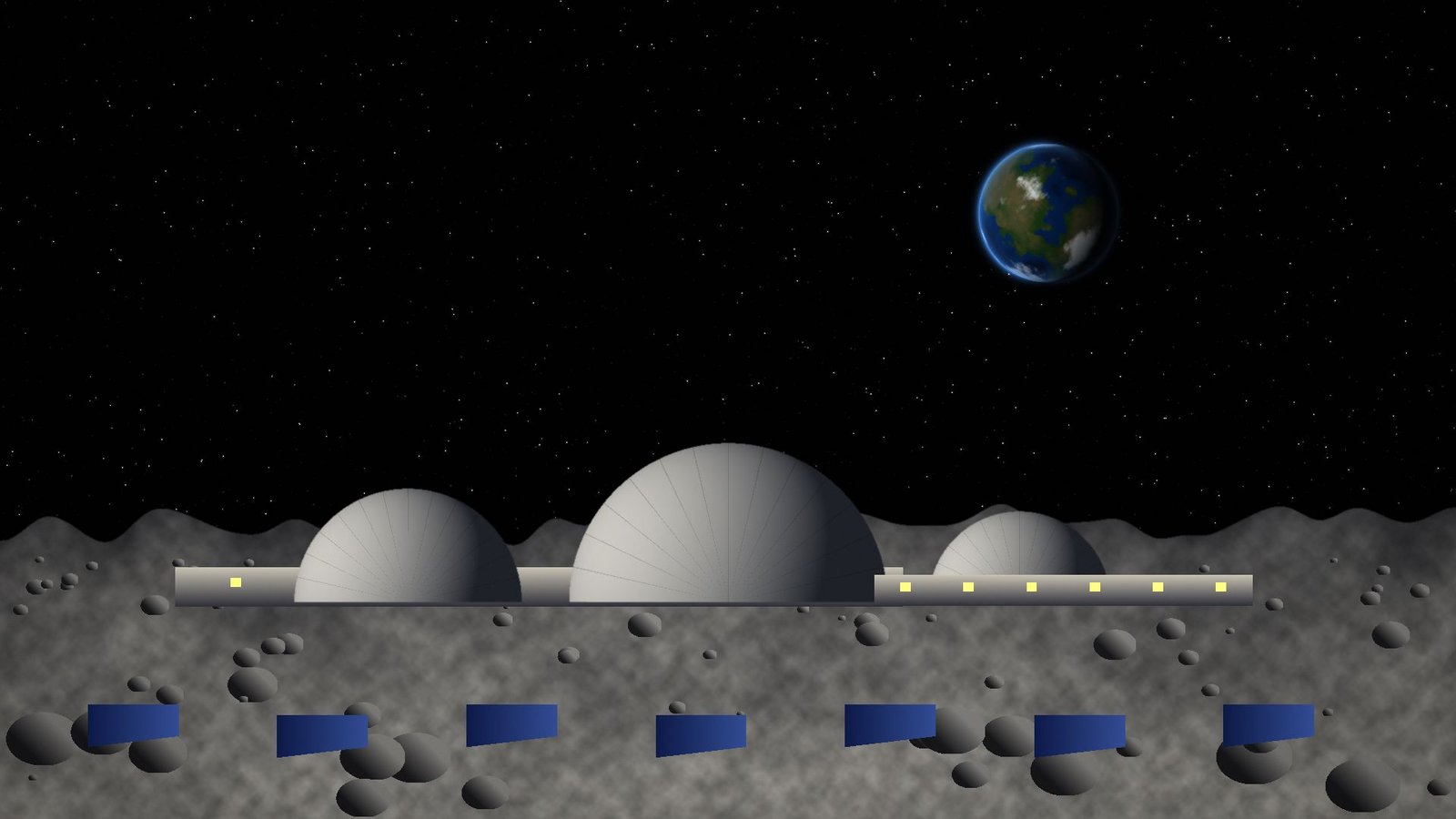
A crew needs air, water, food and shelter for months or years. This programme studies closed-loop life support, regolith-based construction and radiation-safe habitat design.
Innovation & Research
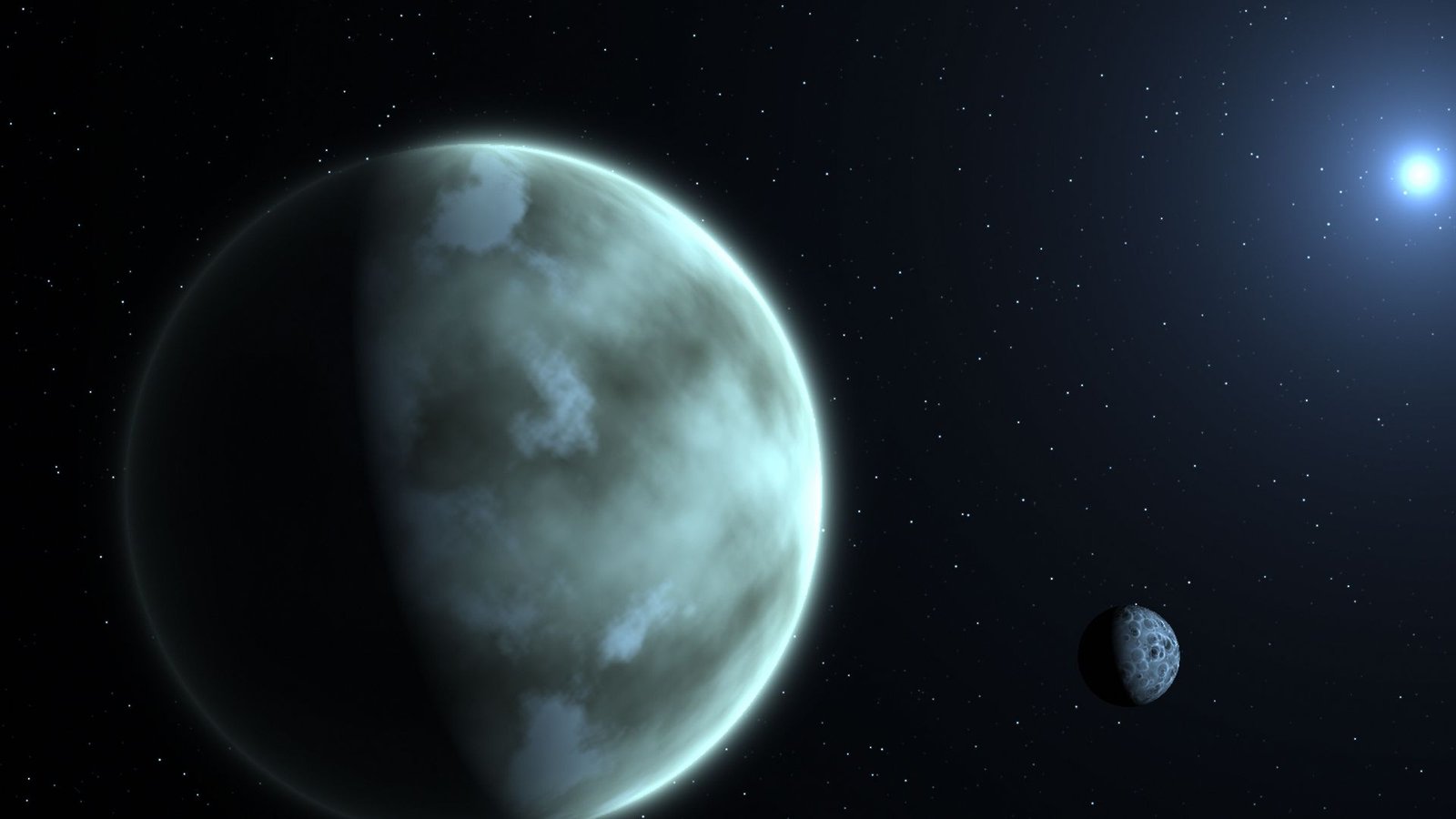
The nearest star system, Alpha Centauri, is about 4.4 light-years away. This long-horizon programme studies the physics of very fast probes, from laser-driven light sails to fusion concepts.
Innovation & Research
Current and planned work, with outputs published openly where possible.
A teaching-grade map of polar resources built from open mission data.
A student-built 3U mission concept moving through design review.
Open simulation environment for learners and researchers.
Short, plain-language summaries of key papers for the Knowledge Hub.
Innovation & Research
Design a settlement or mission and defend it to a panel.
Propose practical ways to reduce debris or extend satellite life.
Use mission data to select the best lunar site for a water-extraction plant.